Frequently Asked Questions

Find answers to common questions about starting your journey with the instrument

No previous experience is required. Our programme is designed specifically for complete beginners who have never held an instrument before. We start with the absolute basics: how to hold the instrument properly, finger positioning, and simple chord shapes.

Many students worry they're "too old" or lack natural talent, but these concerns rarely reflect reality. With structured guidance and regular practice, most people can play recognisable songs within 4-6 weeks. The key is consistent practice rather than innate ability.

For beginners, we recommend starting with an acoustic model with nylon strings. These are gentler on fingertips during the initial weeks when calluses haven't yet developed. A decent entry-level instrument costs between £80-150 and will serve you well for the first 1-2 years.

Avoid purchasing the cheapest options under £50, as poor construction makes playing unnecessarily difficult and can discourage progress. Brands like Yamaha, Fender, and Cordoba offer reliable beginner models. Steel-string acoustics and electric variants are better suited once you've developed basic technique and finger strength.

Consistency matters more than duration. Practising 15-20 minutes daily produces better results than cramming 2 hours once weekly. During the first month, aim for at least 3-4 sessions per week to build muscle memory and finger strength.

As you progress, you can extend sessions to 30-45 minutes. Quality practice involves focused repetition of specific techniques rather than mindlessly playing through songs. Set small, achievable goals for each session, such as mastering a particular chord transition or improving strumming rhythm on a single song.

Yes, some fingertip discomfort is normal during the first 2-3 weeks. Your fingertips need time to develop calluses, which are toughened areas of skin that protect against string pressure. This is a natural adaptation process that every player experiences.

The discomfort should be mild soreness, not sharp pain. If you experience severe pain, you may be pressing too hard or using incorrect hand positioning. Take short breaks during practice, and consider starting with nylon strings which are softer than steel. Within 3-4 weeks of regular practice, your fingertips will adapt and the discomfort will disappear completely.

Most students can play simple songs using 3-4 basic chords within 4-6 weeks of starting. Songs like "Knockin' on Heaven's Door" or "Horse with No Name" use minimal chord changes and straightforward strumming patterns, making them ideal first achievements.

Your progress depends on practice frequency and quality. Students who practise 20 minutes daily typically reach this milestone faster than those with irregular schedules. After 3 months of consistent work, you should be comfortable with 8-10 common chords and able to play dozens of popular songs. More complex techniques like fingerpicking and barre chords typically develop after 6-12 months.

Individual sessions provide personalised attention, allowing the instructor to address your specific challenges and adapt the pace to your progress. This format suits students who prefer focused guidance or have particular goals, such as preparing for performances or learning specific genres.

Group classes (typically 3-6 students) offer a social learning environment where you can observe others and stay motivated through shared progress. They're more economical, usually costing 40-50% less than private sessions. Many students find that group settings reduce performance anxiety and create accountability. Both formats are effective; your choice depends on learning style, budget, and schedule flexibility.

Online instruction has proven highly effective for beginners, offering flexibility to learn from home at times that suit your schedule. Modern video platforms allow instructors to clearly demonstrate techniques, and you can review recorded sessions to reinforce learning between classes.

The main requirement is a stable internet connection and a device with a camera positioned to show both your hands and the instrument. Many students appreciate the convenience of not travelling to lessons, especially during winter months in London. However, some learners prefer in-person instruction for immediate physical corrections to posture and hand positioning. We offer both options, and you can switch between formats as your needs change.

About Essentialanswers

Building confident guitarists through structured learning and personalized instruction since 2015
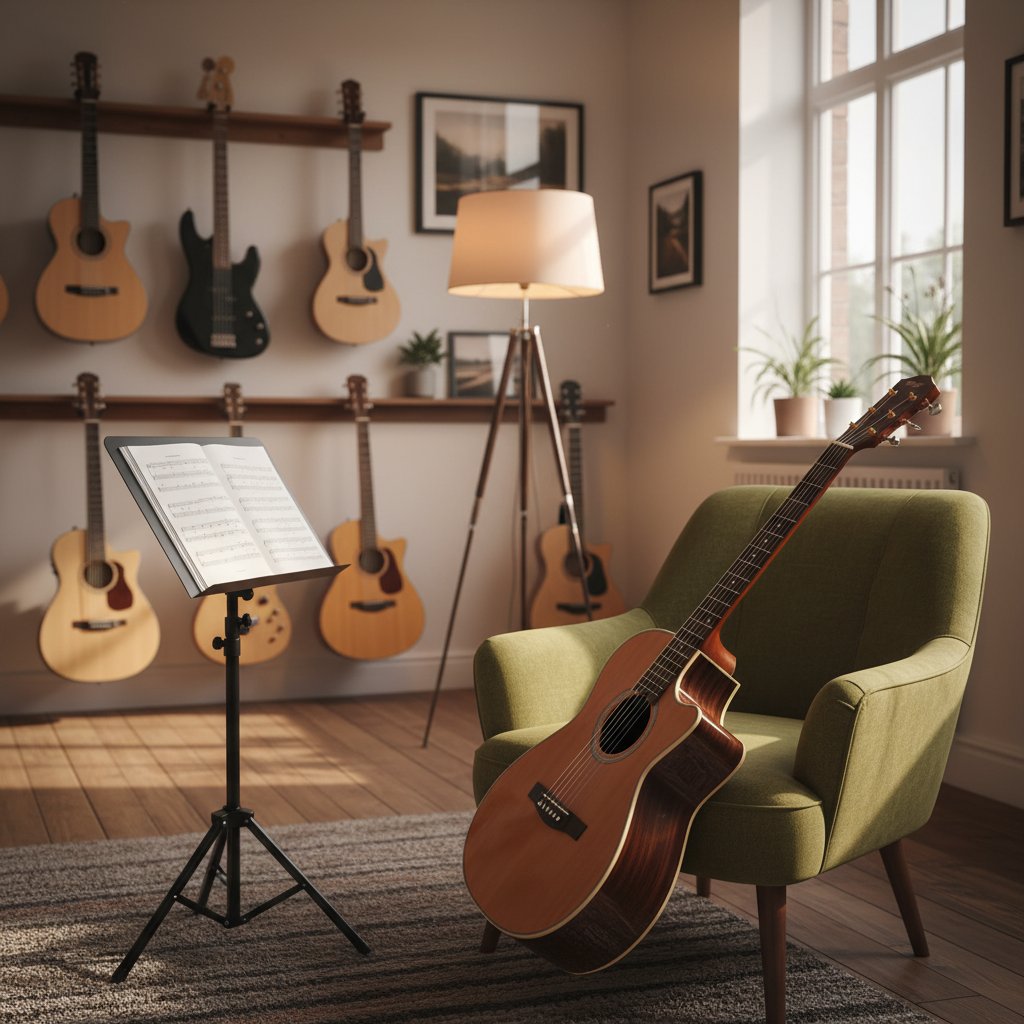
Guitar learning environment at Essentialanswers

Our Story

Essentialanswers began in 2015 when three professional musicians in London noticed a gap in accessible, quality instruction for beginners. What started as weekend sessions in a small studio has grown into a comprehensive learning centre serving over 300 students annually.

We focus exclusively on beginners because we believe the first six months determine whether someone continues playing or gives up. Our approach combines traditional technique with modern teaching methods, making sure each student builds proper habits from day one.

The name "Essentialanswers" reflects our teaching philosophy. Students come with questions: How do I hold the instrument? Why won't this chord sound clean? What should I practice? We provide clear, practical answers without unnecessary complexity. Our curriculum addresses the 47 most common challenges beginners face, drawn from analysis of 8 years of student feedback.

2,400+ Students Taught
12 Qualified Instructors
8 Years Experience
89% Continue Past 6 Months

Our Mission

We make learning accessible for adults and teenagers who believe they're "too old" or "not musical enough." Every instructor holds Grade 8 certification and completes ongoing training in adult learning principles. Classes are capped at 6 students to ensure individual attention.

We measure success by how many students still play after 12 months, not by how quickly we move through material.

Looking Forward

By 2026, we aim to expand our evening and weekend availability to accommodate working professionals across Greater London. We're developing an online resource library with 150+ practice videos, allowing students to review techniques between sessions.
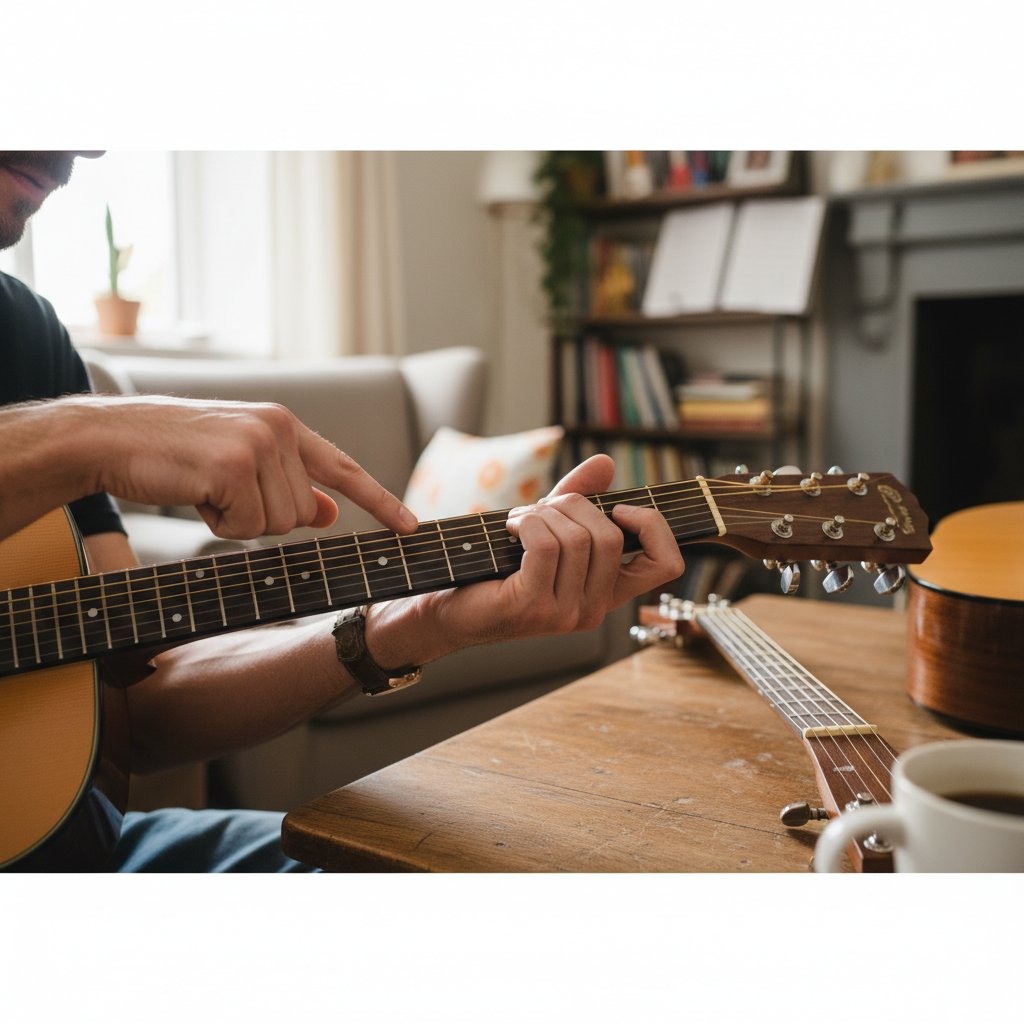
Individual guitar instruction session

Core Values

Patient Progression

Students advance when ready, not according to arbitrary timelines. We'd rather someone nail the basics than rush into complicated material.

Honest Feedback

We tell students what needs improvement and why. Constructive criticism, delivered respectfully, builds faster progress than constant praise.

Practical Skills

Theory matters, but students learn songs they actually want to play. We balance technical exercises with enjoyable material from week one.

Accessible Learning

Flexible scheduling includes weekday evenings and Saturday mornings. Instruments are available for in-studio practice at no additional charge.

Our Expertise

All instructors have performed professionally and hold recognized teaching qualifications. The team includes specialists in classical, folk, rock, and jazz styles. This diversity means we can match students with instructors whose background aligns with their musical interests.

  • Structured 12-week foundation courses covering posture, basic chords, and rhythm
  • One-to-one sessions for students who prefer individualized pacing
  • Small group classes (maximum 6 participants) meeting weekly
  • Specialty workshops on fingerpicking, music theory, and performance preparation
  • Adult-focused curriculum recognizing different learning speeds and physical considerations