Обучение игре на гитаре с нуля: common mistakes that cost you money
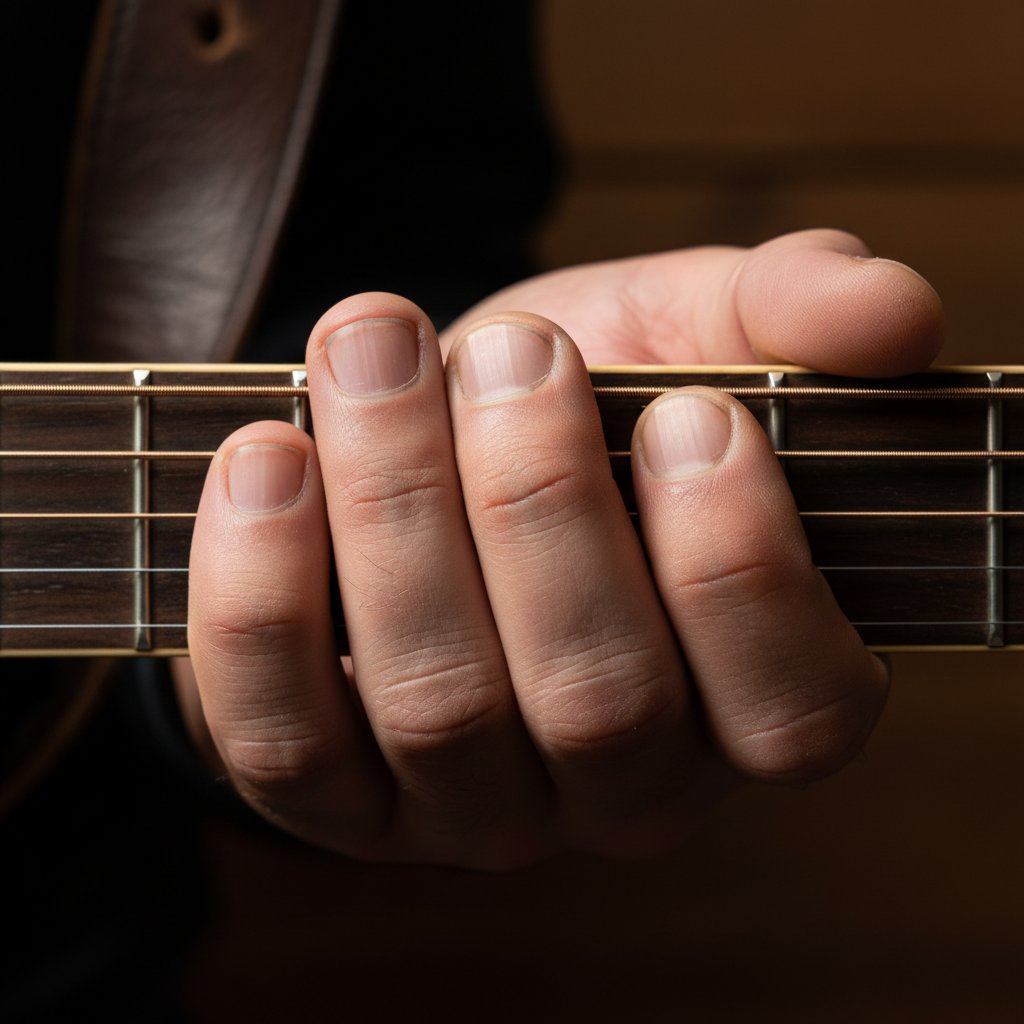
Learning Guitar from Scratch: The Money Pit You're Probably Digging
You've decided to pick up the guitar. Fantastic. But before you start throwing cash at this dream, let's talk about the elephant in the room: most beginners waste hundreds—sometimes thousands—of dollars before playing their first decent chord progression. I've watched it happen for 15 years, and the pattern is painfully predictable.
The real question isn't whether to learn guitar. It's whether you're going to burn through $800-$1,500 making avoidable mistakes, or actually spend that money wisely. Let's break down the two paths beginners typically take, and why one costs you way more than the other.
The "I'll Figure It Out Myself" Approach
Pros of Self-Teaching
- Upfront costs look smaller: Free YouTube videos, $20 for a chord chart, maybe $50 for an online course during a sale
- Learn on your own schedule: 2 AM practice session? Nobody's stopping you
- No commitment pressure: Skip three weeks if life gets crazy, no awkward cancellation emails
- Unlimited resources: Literally millions of free tutorials at your fingertips
Cons of Self-Teaching
- The hidden time tax: Beginners spend an average of 6-8 months developing bad habits that take another 4-6 months to unlearn (that's a year wasted, folks)
- Equipment mistakes cost big: Wrong guitar for your hand size? That's $300-$600 down the drain when you replace it
- Information overload paralysis: You'll waste 30-40% of practice time just deciding what to practice next
- Plateau city: About 73% of self-taught beginners quit within 6 months because they can't break through initial barriers
- No quality control: That finger position feels fine until you realize six months later you've been doing it wrong
The Structured Learning Path (Teacher/Quality Program)
Pros of Structured Learning
- Front-loaded correction: Bad habits get squashed in week one, not month nine
- Customized roadmap: A decent teacher spots your specific hand limitations and adjusts techniques accordingly
- Accountability that actually works: You're 4x more likely to practice when someone's expecting you to show progress
- Equipment guidance saves money: The right guitar recommendation the first time prevents expensive do-overs
- Faster progression: Most students with weekly lessons reach intermediate level in 8-12 months versus 18-24+ months self-teaching
Cons of Structured Learning
- Higher immediate costs: Private lessons run $40-$80 per hour, quality online programs cost $200-$400 annually
- Schedule constraints: You've got to show up, whether you feel like it or not
- Teacher compatibility roulette: Finding the right instructor might take 2-3 tries
- Potential for dependency: Some students struggle to practice independently without guidance
The Real Cost Breakdown
| Expense Category | Self-Teaching Route | Structured Learning Route |
|---|---|---|
| Initial Guitar Purchase | $200-$400 (often wrong choice) | $250-$350 (guided choice) |
| Replacement Guitar | $300-$600 (60% need this) | $0 (rare) |
| Learning Materials (Year 1) | $100-$300 (scattered purchases) | $200-$400 (structured program) |
| Instruction | $0-$150 | $480-$960 (weekly lessons) |
| Wasted Time Value | 6-12 extra months | Minimal |
| Total First Year | $600-$1,450 | $930-$1,710 |
What The Numbers Don't Tell You
Here's the kicker: that cost comparison looks close, right? But it's missing the biggest expense—your time. If you value your practice hours at even minimum wage, those extra 6-12 months of inefficient learning represent another $800-$1,600 in opportunity cost.
The self-teaching route also has a 73% failure rate. Structured learning? Closer to 35%. So when you factor in the probability of actually achieving your goal, the math shifts dramatically. Spending $1,200 on something that works beats spending $800 on something that doesn't.
The Verdict: Stop Being Penny-Wise and Pound-Foolish
Look, I get it. Dropping $50-$80 monthly on lessons feels painful. Those YouTube videos are right there, totally free.
But here's what I've seen play out dozens of times: the guitarist who invests in proper instruction upfront is playing campfire songs confidently within 4-6 months. The self-taught student is still struggling with barre chords after a year—if they haven't already given up.
The smart money play? Start with 3-6 months of structured lessons to build a solid foundation, then transition to guided self-learning. You get the crucial habit-prevention early, then maintain momentum independently once you know what good technique actually feels like.
Your guitar shouldn't be an expensive coat rack. Invest in learning it properly, or save yourself the trouble and don't buy one at all.